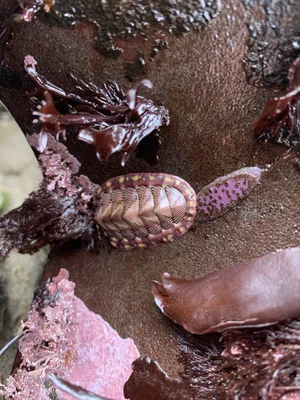

Cooking with Seaweed from Oregon and Beyond
Seaweed has been one of my favorite ingredients for years, not just for its incredible nutritional benefits, but for the depth, texture, and umami it brings to everyday cooking. Even though seaweed is a staple in so many coastal food cultures around the world, it still feels wildly underutilized in home kitchens here. I’m always looking for simple, approachable ways to incorporate it into meals, whether that’s sprinkled over roasted vegetables, folded into salads, blended into dressings, or added to soups for an extra layer of flavor.
Recently, my brother (chef and owner of Picnic Eats) and I hosted a seaweed cooking class where we shared a handful of fun, easy-to-follow recipes featuring different types of seaweed. We made various seaweed seasonings, a flavorful salad, and a bright and refreshing dressing that tied everything together beautifully. The recipes turned out so great, and everyone had such a fun time making (and eating!) them. I left feeling inspired to share more about seaweed here.
One thing I hear often is that people want to cook with seaweed, but they’re not quite sure where to start. There’s this misconception that seaweed has to be reserved for sushi rolls or specialty dishes, when in reality, it can be one of the easiest ingredients to incorporate into everyday meals. A small amount adds so much flavor and nourishment, and once you begin experimenting with it, it starts to feel less like a novelty and more like a pantry staple.
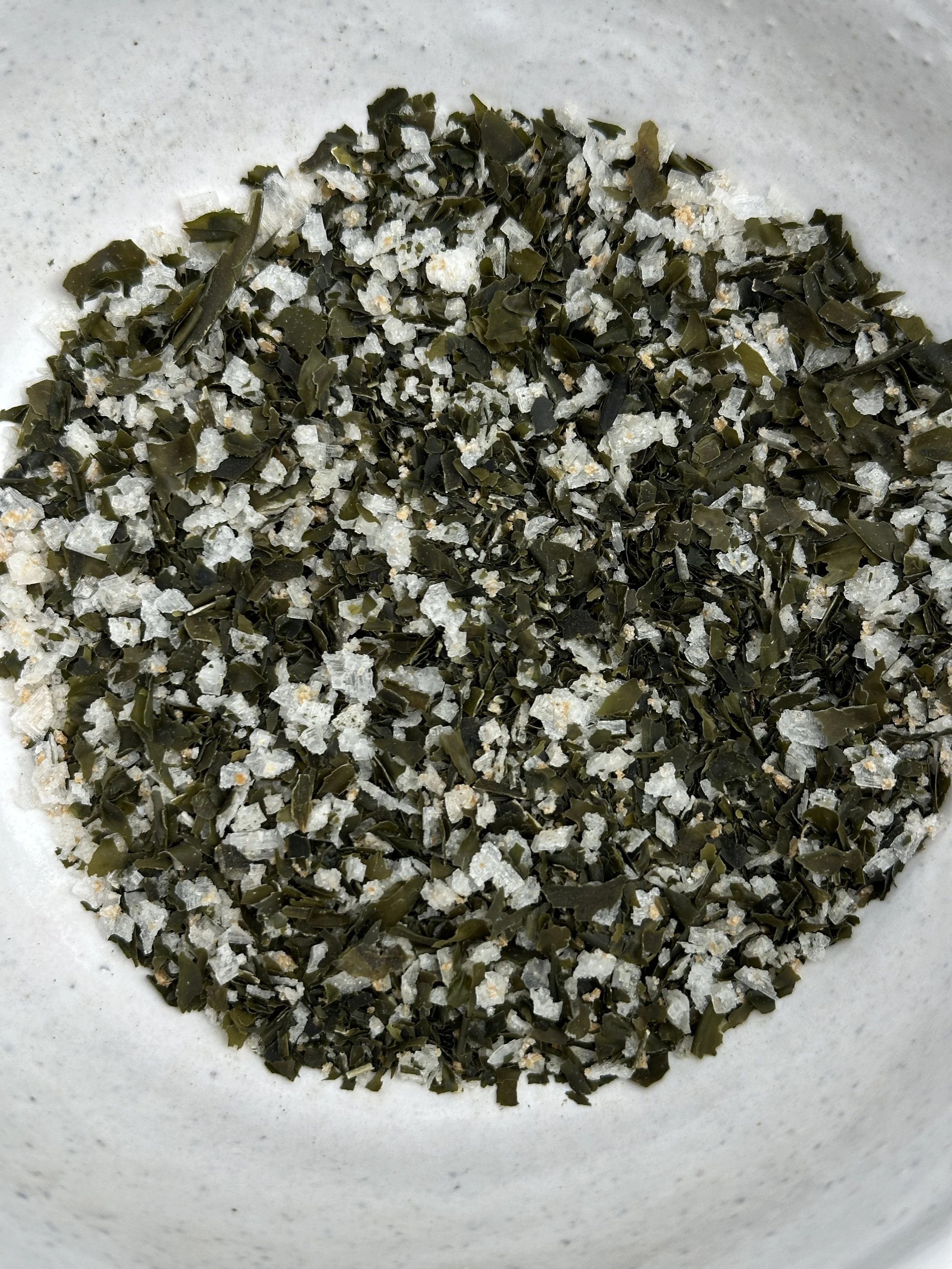
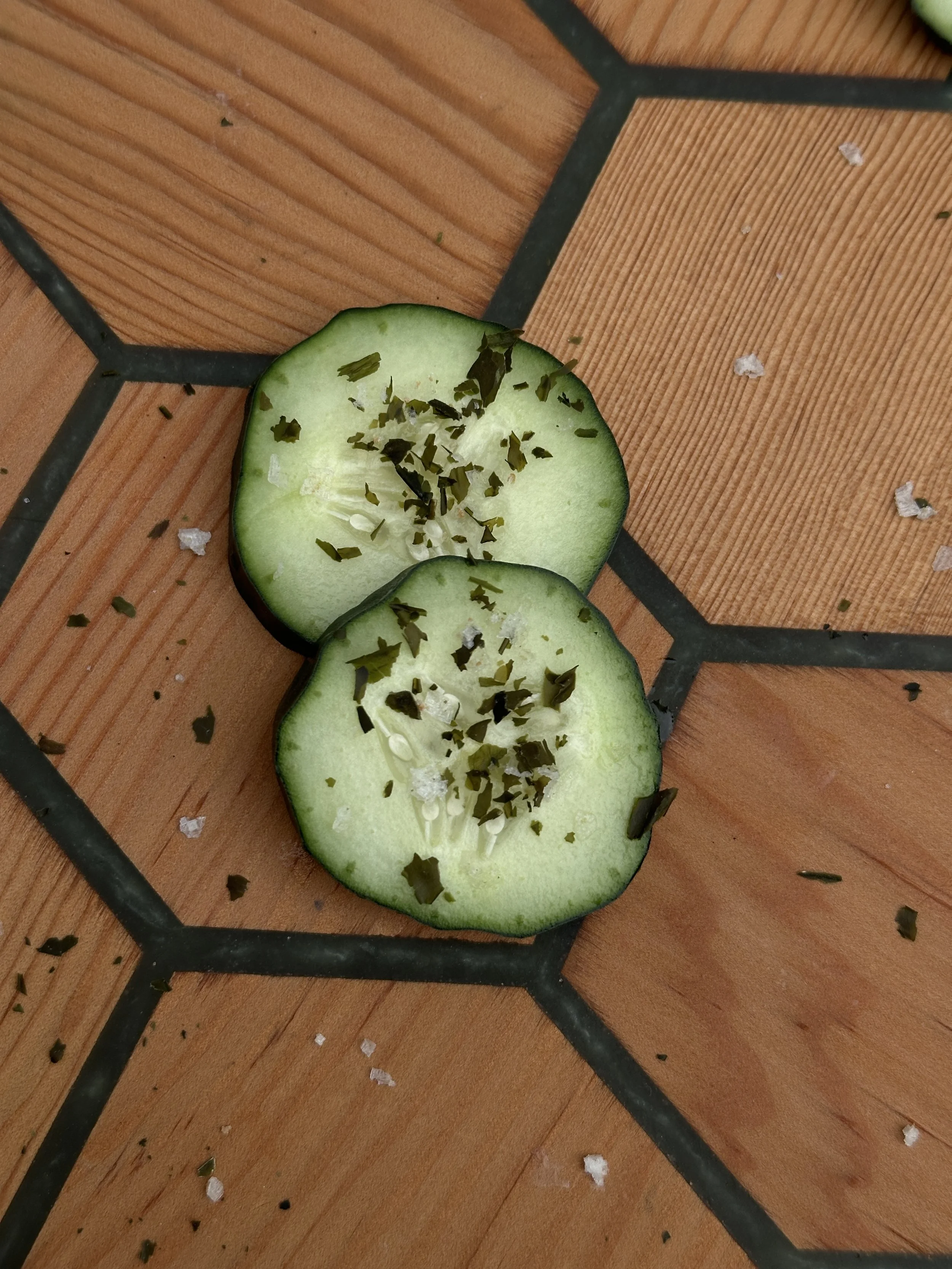
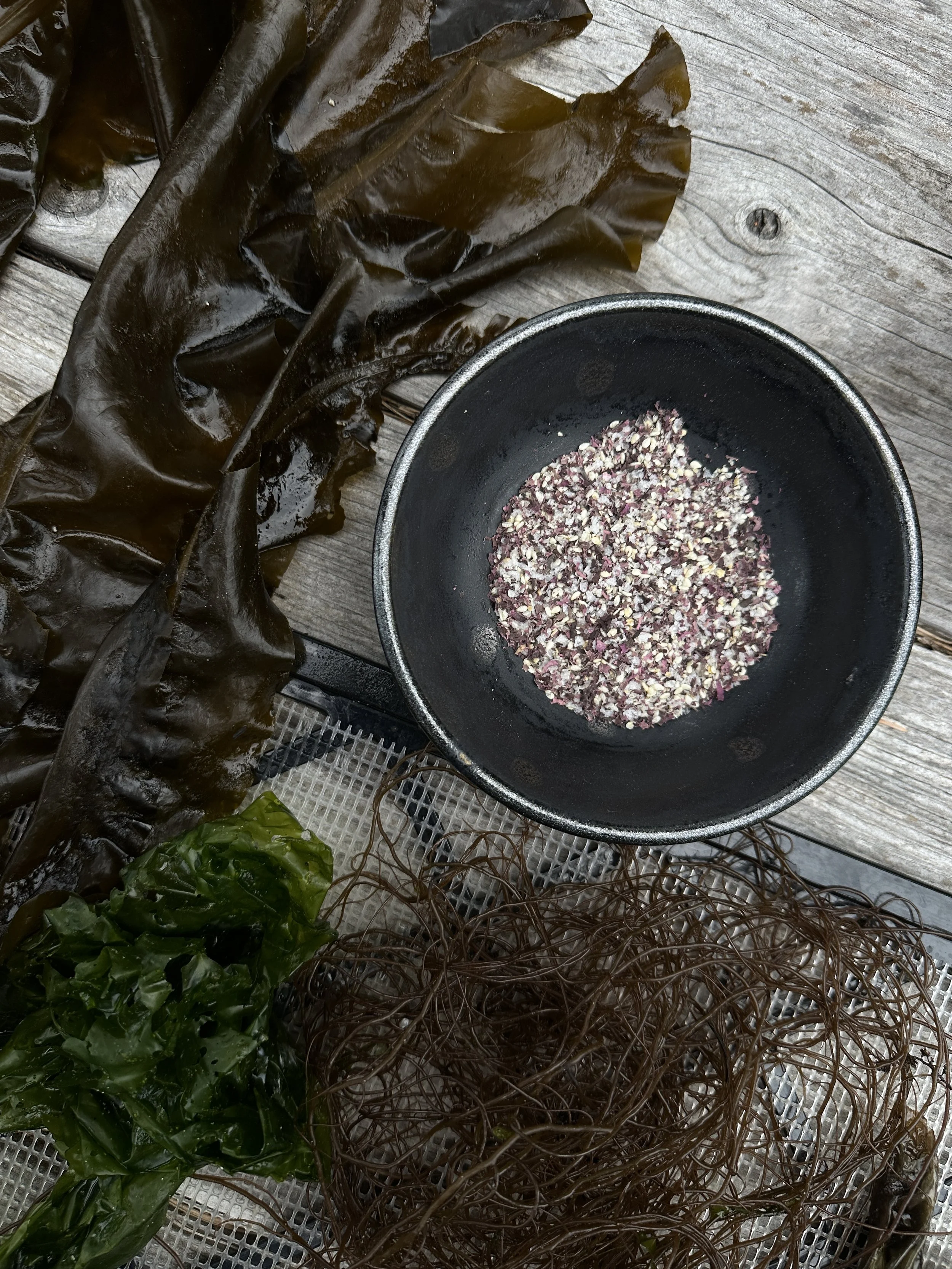
One of the simplest ways to start is with flakes or dried seaweed seasonings. Sprinkle them over avocado toast, eggs, rice bowls, popcorn, roasted vegetables, or salads. You can stir seaweed into broths and soups, add it to grain salads, blend it into dips and dressings, or even toss it into homemade crackers and breads. Different seaweeds bring different qualities, some are delicate and mineral rich, others are savory and deeply umami-forward, which makes cooking with them surprisingly versatile and creative.
I also love that seaweed connects us more deeply to coastal ecosystems and local food systems. It’s a regenerative ingredient that grows abundantly without needing freshwater, fertilizer, or land, making it one of the most sustainable foods we can incorporate into our diets. Supporting seaweed farmers and learning to cook with sea vegetables feels like such an exciting shift toward more resilient and thoughtful ways of eating.
If you’re curious about getting started, I put together another post with the recipes from our cooking class, including the seaweed seasoning, salad, and dressing we made together. They’re simple, approachable recipes that highlight just how easy and delicious seaweed can be in everyday cooking. I hope they inspire you to experiment, play, and maybe even fall a little more in love with this incredible ingredient too.